Lighting
Simple lighting changes can make a home easier to move around at night. Compare brightness, sensors and power before you buy.
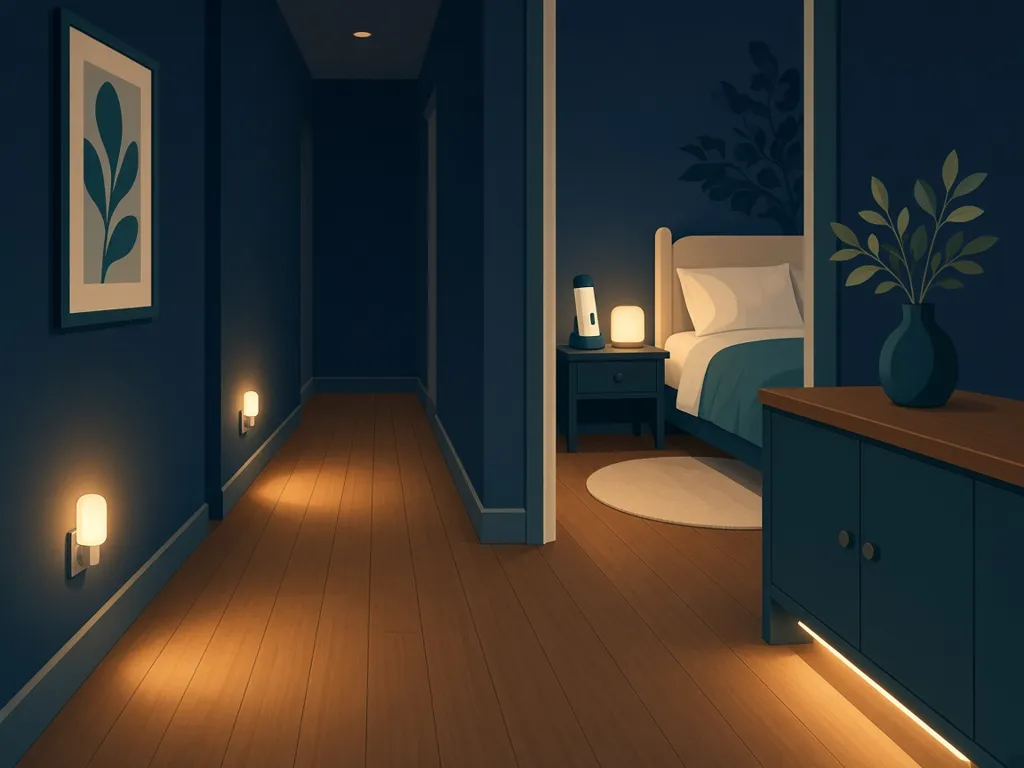
Choosing nightlights for hallways and bedrooms
A good nightlight shows the floor and doorways without lighting the whole room. Choose the sensor type first, then brightness and placement.
Read the guide →Motion-sensor lights for closets and stairs
Stick-on motion-sensor lights add light where there is no wiring, such as closets, cabinets and stair edges.
Read the guide →Flashlights for the home
A flashlight that is always in the same place, and always charged, is the one that gets used. Compare how it charges and where it lives.
Read the guide →Easy-to-read clocks
Day clocks show the day, date and time in large text. Compare display size, brightness and how the clock is powered and set.
Read the guide →For fall risk, mobility, transfers or bathing needs, ask a professional such as an occupational therapist or physical therapist to look at the person and the room. This guide is general information, not professional advice.
Questions
Dusk-to-dawn or motion sensor?
Dusk-to-dawn lights stay on in the dark; motion-sensor lights come on when they detect movement. Many homes use both.
Where should lights go?
Walk the route from bed to bathroom at night and note the dark spots.
Have you tested these lights?
No. SeniorCitizenSafety is research-based: we compare live Amazon listings and manufacturer information. We have not tested these products ourselves, and our guides are not a professional review.